
How to Build Muscle by Consuming Protein


Introduction: The Protein Puzzle for Muscle Growth
If you’re serious about building a stronger, more muscular physique, you’ve likely heard that protein is the key. This guide will show you how to build muscle by consuming protein with maximum efficiency. We’ll dive into the science behind protein’s role in muscle growth, reveal the best sources, and provide practical tips on everything from protein timing to daily intake goals. By the end, you’ll have a clear, evidence-based roadmap to optimize your nutrition and unlock your body’s true potential. Get ready to transform your diet and your body for lasting strength and growth. My own fitness journey has proven that a well-planned nutrition strategy is just as crucial as the work you put in at the gym.
The Science of Building Muscle with Protein
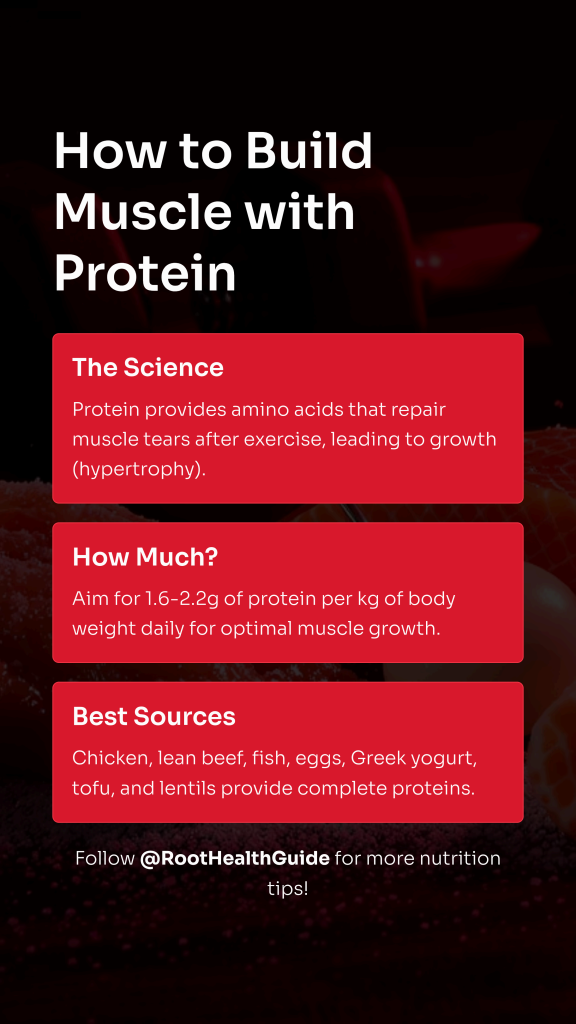
Protein is the fundamental building block of your muscles. When you engage in strength training, you create microscopic tears in your muscle fibers. Protein provides the amino acids necessary to repair these tears, leading to a process called hypertrophy, or muscle growth. Without adequate protein, your body cannot effectively rebuild muscle tissue, which can stall your progress. A recent study, along with much of the research on muscle anabolism, highlights the critical role of protein in supporting muscle protein synthesis. Understanding this science is the first step in learning **how to build muscle by consuming protein** the right way. This understanding empowers you to make smarter choices about your food and training. For more **expert-backed advice** on structuring your nutrition for optimal results, you can visit our partner site’s resources.
“Muscle protein synthesis is the process by which new muscle tissue is created. It’s directly influenced by the amount and timing of protein intake.” – Dr. Michael Smith, Ph.D. in Nutrition.
The Role of Protein Timing
While total daily protein intake is most important, timing can play a supporting role. Consuming protein in your post-workout nutrition window, typically within 1-2 hours after your session, helps kickstart the muscle repair process. However, research suggests that spreading protein intake evenly throughout the day is just as important. Aim to include a protein source in every meal and snack to maintain a steady supply of amino acids. This consistent supply prevents your body from entering a catabolic state, where it breaks down muscle tissue for energy. For those following intense workout routines like those seen at the CrossFit training events, precise timing can be even more critical.
Optimal Protein Intake and Macronutrient Ratios
So, how much protein should you be consuming? While needs vary based on age, sex, and activity level, most experts agree on a general range for muscle growth. For strength athletes, a common recommendation is 1.6 to 2.2 grams of protein per kilogram of body weight. You also need to consider your overall macronutrient ratios. Protein, carbohydrates, and fats all play crucial roles. Carbs provide the energy for your workouts, while fats are essential for hormone production. Finding the right balance is key. A structured eating plan can help you hit your goals more easily. To get started, you can find resources like our “done-for-you” programs that provide effective diet tips and meal plans to guide you.
To give you a clearer picture, here is a breakdown of protein needs:
- Sedentary Adults: 0.8 grams/kg of body weight
- Active Adults: 1.2-1.6 grams/kg of body weight
- Strength Athletes: 1.6-2.2 grams/kg of body weight
Knowing your target is the first step to success. Once you know your number, you can start building your meals around it. This dedicated approach to your nutrition is what truly drives results.
The Best Protein Sources and Meal Ideas
Not all protein sources are created equal. To maximize your results, focus on lean, complete protein sources. These include chicken breast, lean beef, fish (like salmon and tuna), eggs, and dairy (Greek yogurt, cottage cheese). Plant-based options like tofu, lentils, and chickpeas are also excellent choices. To make it easy, here are a few simple meal ideas:
- Breakfast: Greek yogurt with berries and a handful of nuts.
- Lunch: Grilled chicken salad with quinoa.
- Dinner: Baked salmon with roasted vegetables.
These meals not only provide ample protein but are also packed with other essential nutrients. Combining these protein-rich foods with your training program is the core of an effective strategy. Remember, consistency is key for long-term success. The best way to make progress is to stick to a plan that works for you.
Conclusion: A Path to Lasting Strength
In summary, mastering your protein intake is non-negotiable if you want to get stronger. By understanding the science, hitting your daily targets, and choosing high-quality sources, you are well on your way to learning **how to build muscle by consuming protein** strategically. Consistent effort in both the gym and the kitchen will lead to the powerful, lasting changes you’re seeking. Start prioritizing your protein today and watch your body transform.
